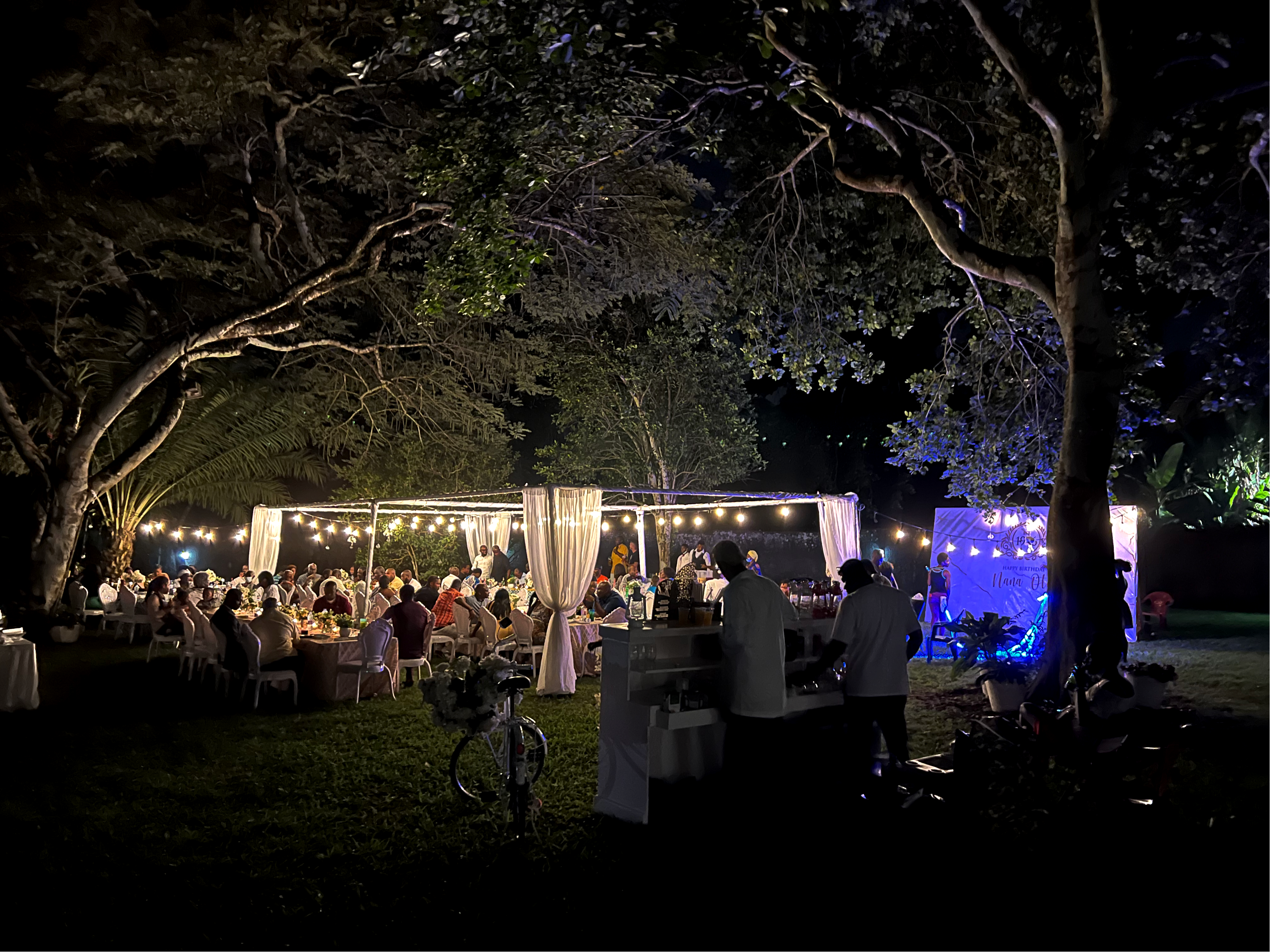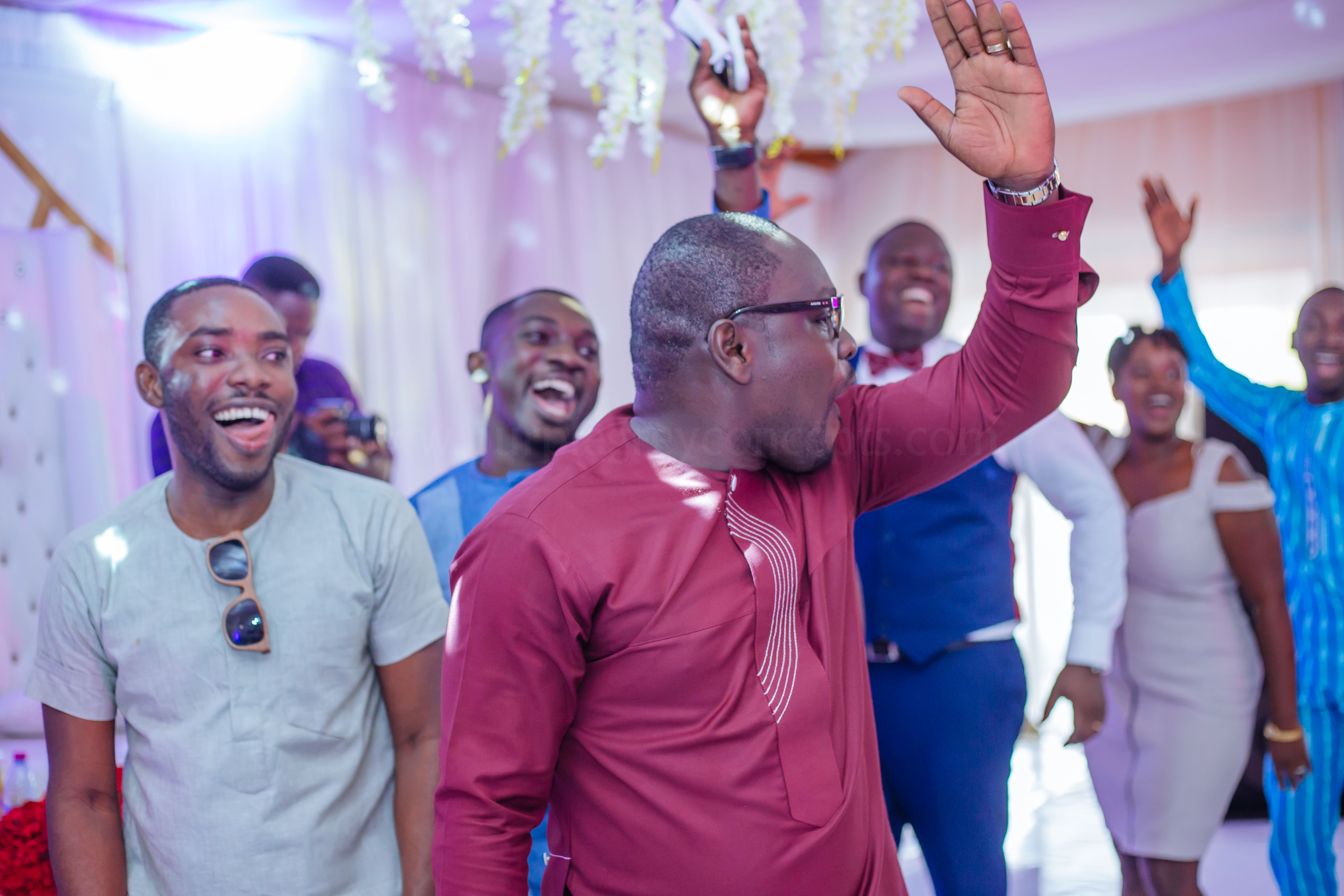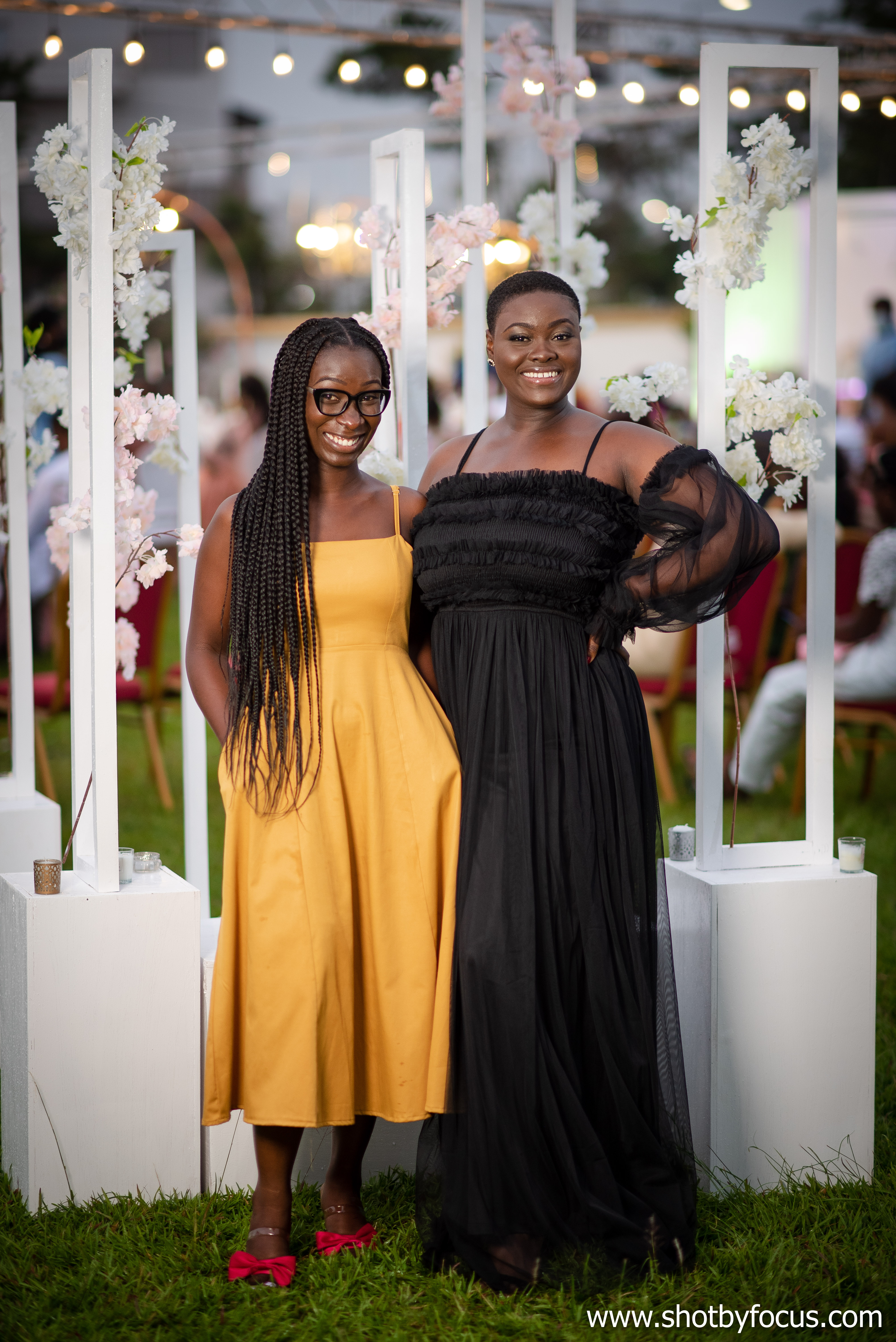


Anyone can book a venue, order some catering, and call it an event. But there is a noticeable difference between an event that simply happens and one that feels effortless from the moment guests walk in to the moment they leave. That difference is execution — and it is rarely accidental.
If you have ever left an event thinking, “that was seamless,” you were experiencing the result of hundreds of small decisions made correctly, well in advance, by people who understood exactly what needed to happen and when. Here is what actually separates a well-executed corporate event from an average one.
1. The Guest Experience Was Designed, Not Assumed
Well-executed events are built around the guest’s journey, not just the client’s checklist. That means thinking through every touchpoint: how guests find parking, how they are greeted, how long they wait in line, where they go when they do not know anyone yet, and how the flow moves them naturally from arrival to networking to the main programme.
When this is done well, guests do not notice it — they just feel comfortable. When it is missing, the event feels disjointed even if the décor is beautiful and the food is excellent.
2. Timing Was Treated as a Design Element
A run of show is not just a logistics document — it is the invisible choreography of the entire event. Well-executed events have timing built around energy, not just efficiency. Speeches land when attention is highest. Transitions between segments are smooth rather than abrupt. Nothing drags, and nothing feels rushed.
This requires planners who understand pacing, not just scheduling — and who build in buffer time for the inevitable unexpected moment.
3. Every Vendor Was Coordinated, Not Just Booked
A polished event usually involves a dozen or more moving parts: catering, AV, florals, staging, entertainment, transportation, security. Well-executed events have all of these working in sync, with a single point of coordination ensuring nothing falls through the cracks between vendors.
This is often the most invisible — and most valuable — part of professional event production. Guests never see the coordination happening; they only feel its absence when it is missing.
4. The Brand or Purpose Was Present in the Details
Whether it is a product launch, a gala, or an internal milestone celebration, the best corporate events communicate their purpose through design — not just through a banner or a slide deck. Colour palettes, signage, staging, and even the tone of the MC’s script all reinforce why the event is happening and what the company wants people to feel.
For events where planning and visual direction need to work together, event styling should be part of the conversation early rather than treated as a final decorative layer.
5. Problems Were Solved Before Guests Ever Knew There Was One
No event runs perfectly. Weather shifts, a vendor is late, a microphone cuts out. What defines excellent execution is not the absence of problems — it is how invisibly they are resolved. This comes down to experienced planners who anticipate risk, build contingencies, and stay calm under pressure.
The Common Thread
Every one of these elements comes down to the same thing: experienced planning, thoughtful design, and hands-on coordination working together — not in isolation. A beautiful setup without solid coordination can still fall apart. Flawless logistics without design intention can feel sterile. The events that feel “truly well executed” are the ones where planning, styling, and production are treated as one connected discipline from the very first conversation.