
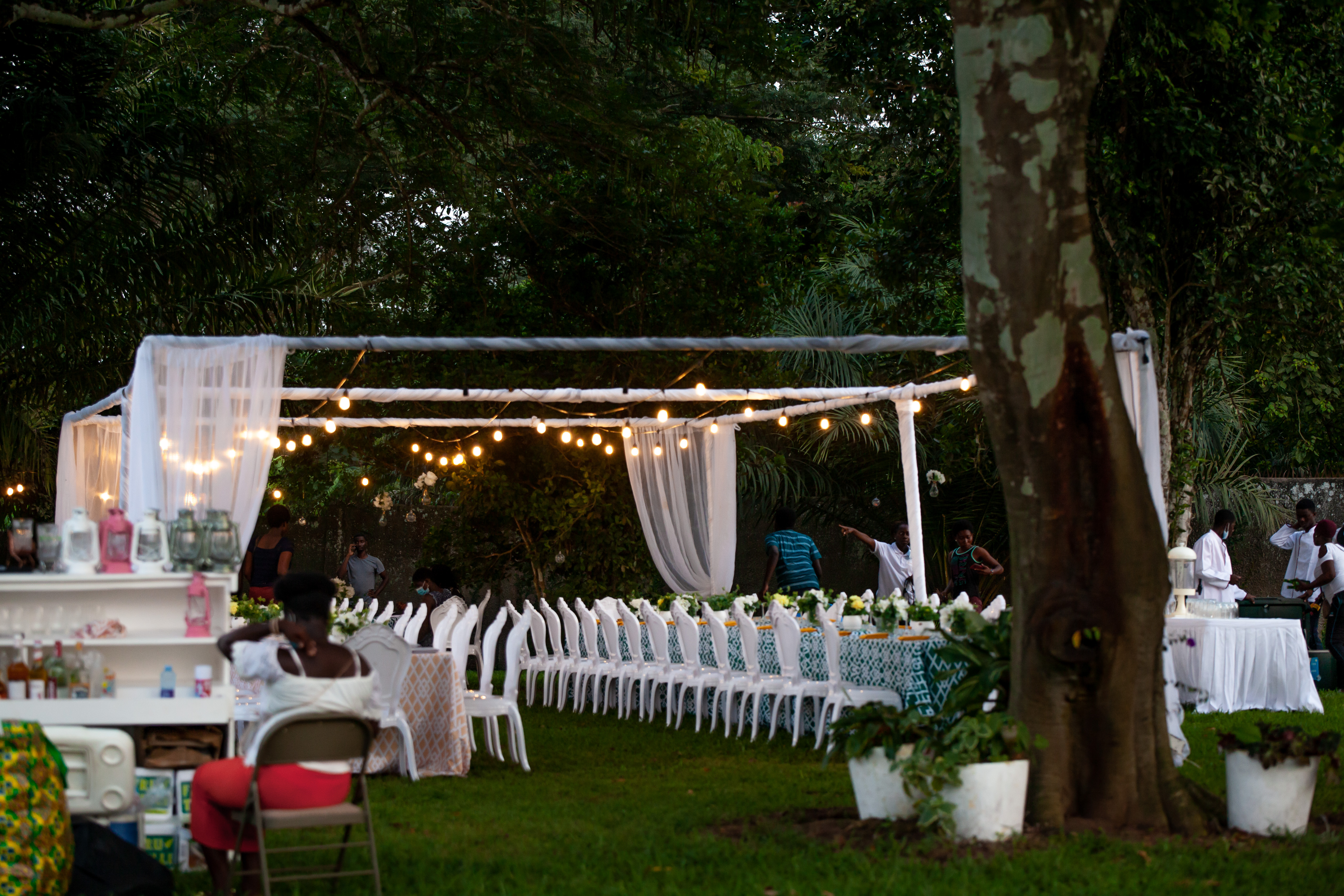
Event styling is often misunderstood as decoration — flowers, linens, a nice backdrop for photos. In reality, styling is one of the most strategic elements of a corporate event: it is the visual language that tells guests what kind of experience they are about to have, before a single word is spoken.
Done well, styling shapes mood, reinforces brand identity, and elevates a functional gathering into a memorable experience. Here is what goes into styling a corporate or brand event with real intention.
Styling Starts With a Concept, Not a Colour Scheme
The most common mistake in event styling is choosing colours and décor before deciding on a concept. A strong concept answers: What story is this event telling? Is it a milestone celebration, a bold product reveal, an intimate client dinner, a large-scale conference?
The concept becomes the thread that ties together everything from the entrance design to the tablescapes to the lighting — so the event feels intentional rather than assembled from a catalogue.
Every Element Should Serve the Experience
Professional styling considers the full sensory experience of a space, not just how it photographs. That includes:
- Spatial flow — how furniture and layout guide movement and conversation
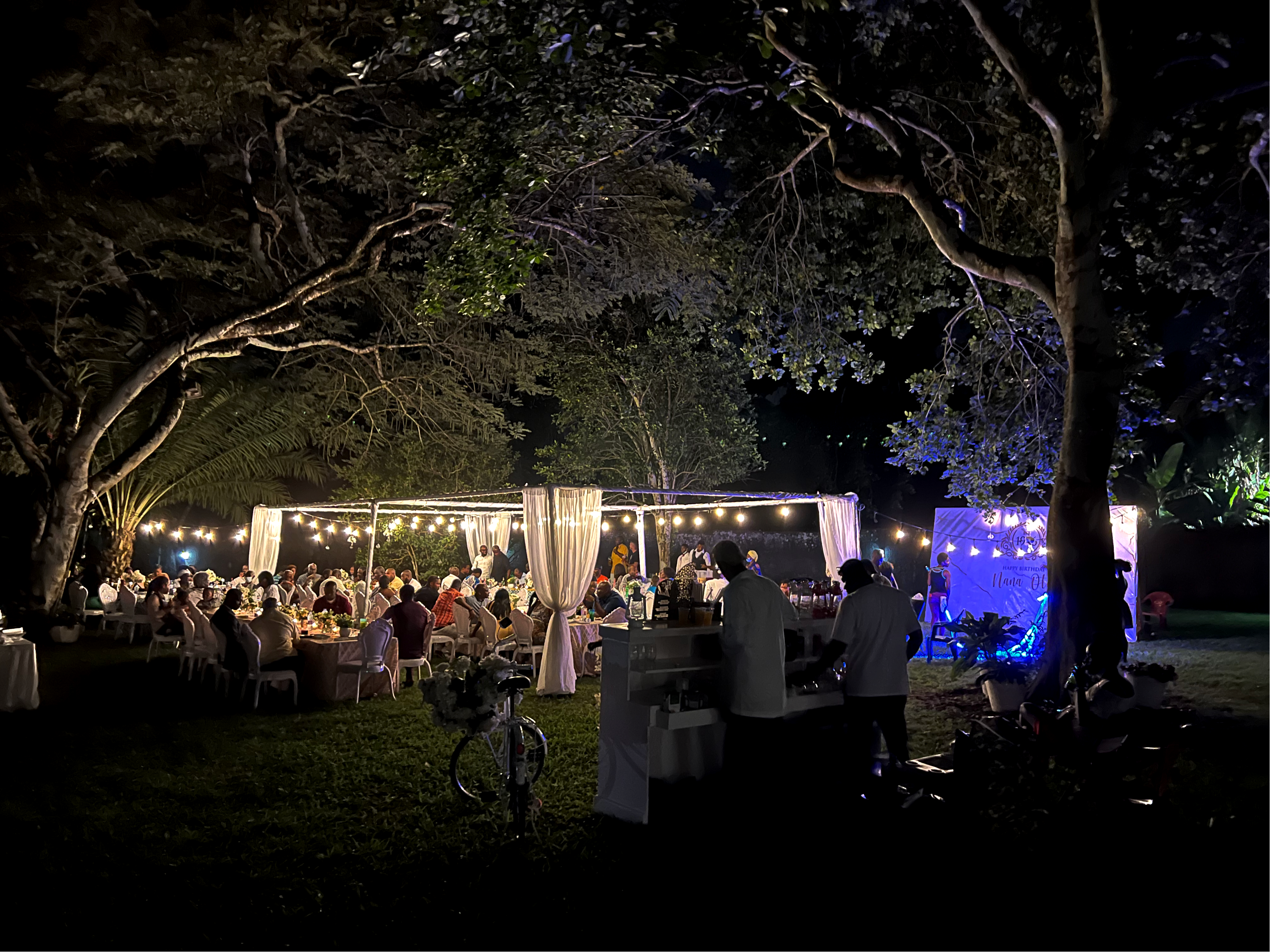
- Lighting — arguably the single biggest driver of mood and atmosphere in any venue
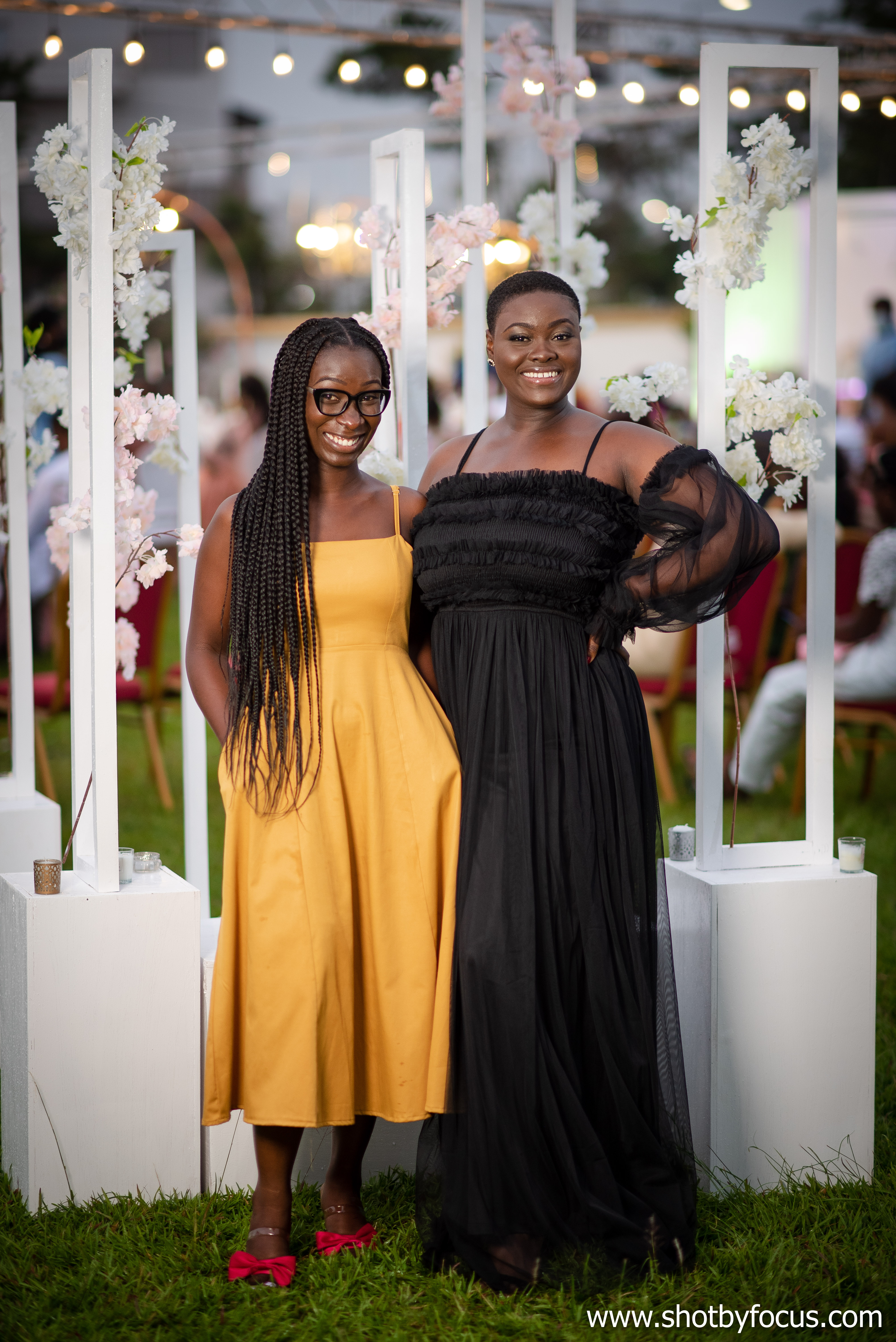
- Textures and materials — linens, florals, staging materials that align with the brand’s tone
- Focal points — a stage, a step-and-repeat, a centrepiece display that anchors the room
- Signage and wayfinding — functional, but also an opportunity to reinforce brand identity
Corporate Styling Has Its Own Set of Considerations
Styling a brand or corporate event is not the same as styling a wedding or private celebration. It typically needs to accommodate:
- Brand guidelines — specific colours, fonts, and logo usage that must be respected
- Multiple stakeholders — marketing, leadership, and sometimes external partners all with input
- Functional requirements — AV integration, stage sightlines, breakout areas, registration flow
- Photography and content needs — backdrops and moments designed to be captured for social and press use
Balancing creative vision with these practical demands is exactly where experienced event stylists earn their value — designing something beautiful that still works logistically.
Styling Should Flex With the Type of Event
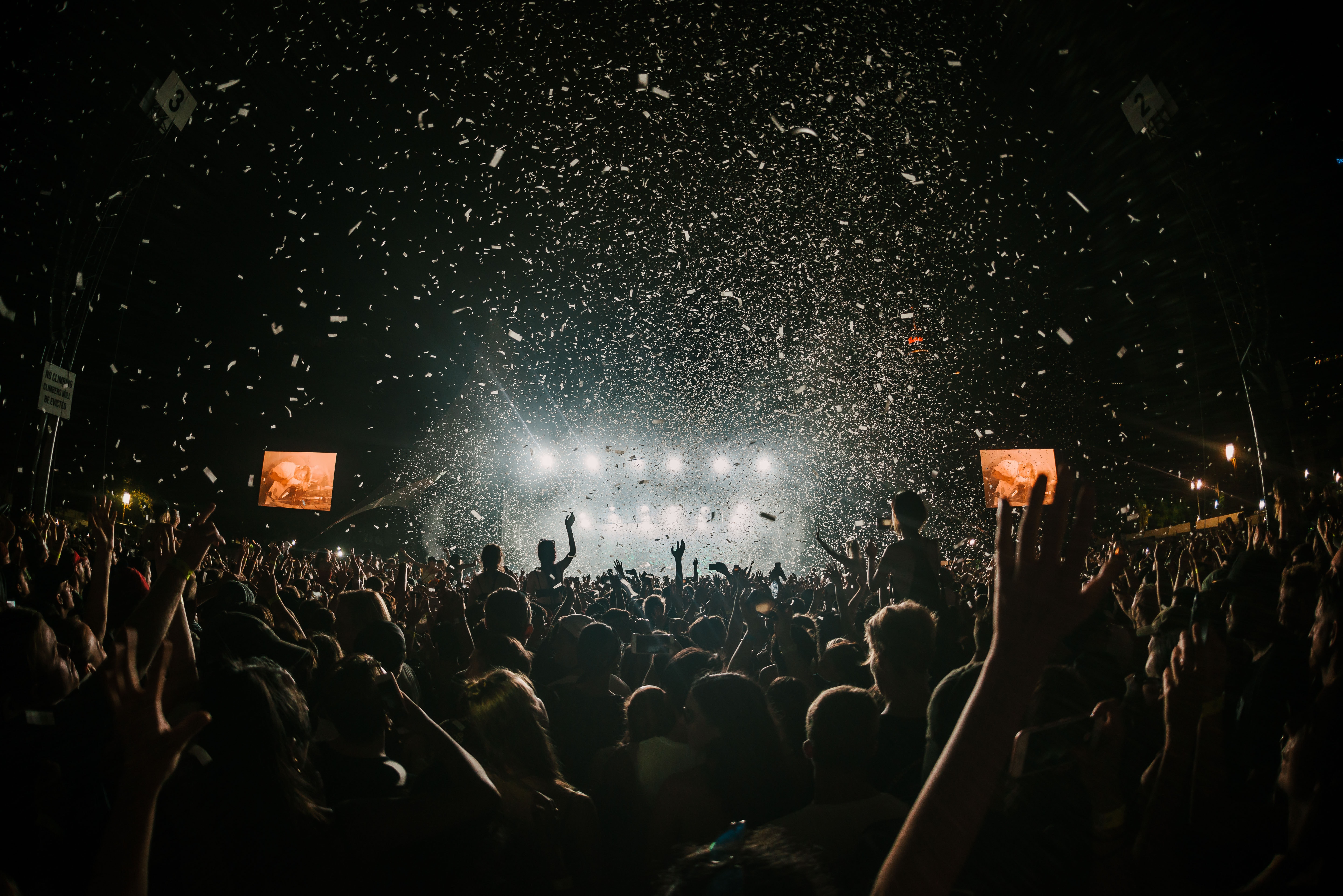
A product launch calls for drama — bold lighting, a striking reveal moment, high-impact staging. A leadership gala calls for elegance and warmth — rich textures, ambient lighting, refined tablescapes. An internal culture event calls for approachability — playful details, comfortable lounge areas, interactive touches.
Good stylists do not apply a single aesthetic to every brief; they adapt the design language to match the purpose and audience of each event.
Why Styling and Planning Work Best Together
Styling decisions often intersect directly with logistics — a stunning floral installation might block a camera sightline, or a lighting design might need extra power capacity the venue does not have. When styling is planned in isolation from event production, these conflicts surface late and are expensive to fix.
That is why the strongest corporate events are the ones where stylists and planners collaborate from the earliest stages — designing a space that is not only beautiful, but fully executable on the day.