
Outdoor weddings can be beautiful and memorable, but they need careful preparation. These considerations can help you plan for both the setting and the practicalities.
1. Consider the weather
Check the typical weather for your chosen season and location. If heat is likely, think about shade and cooling for guests. A contingency plan for rain or extreme weather can provide useful reassurance without assuming every celebration needs the same solution.
2. Choose the right location
Look for an outdoor venue that suits your style and guest count. Accessibility, parking, permits and permissions are all worth confirming early. If you are still comparing spaces, our guide to choosing the right wedding venue covers additional questions to ask.
3. Plan for guest comfort
Tents, umbrellas and natural shade can make a sunny day more comfortable. Sunscreen and fans can help in warm weather, while blankets, outdoor heaters or fire pits may be useful for cooler evenings.
4. Plan sound and lighting
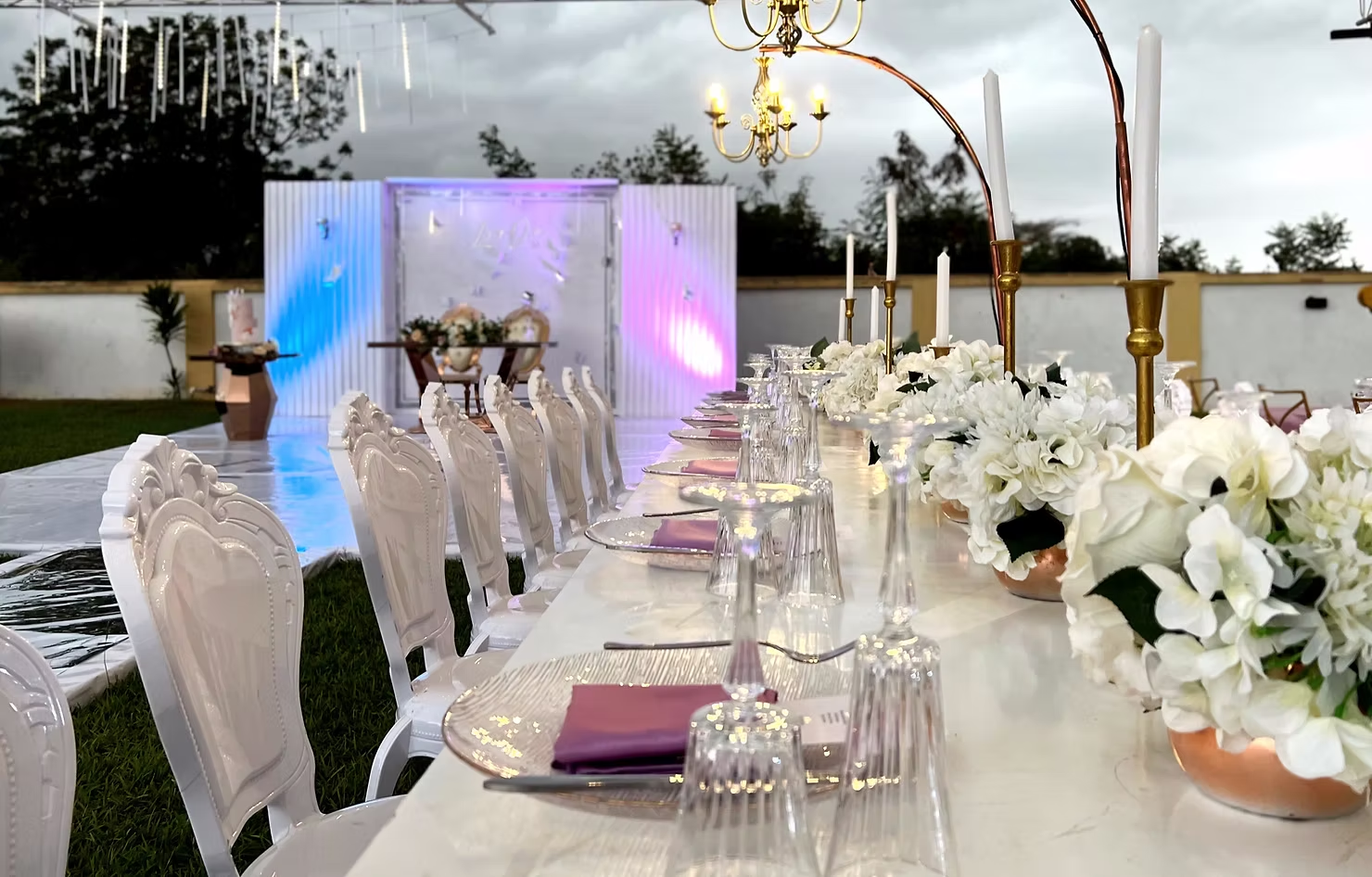
Outdoor settings can affect sound quality and visibility. Ensure ceremony and reception spaces have suitable microphones and sound systems, and use professional lighting for key areas such as the dining area and dance floor.
5. Work with the surroundings
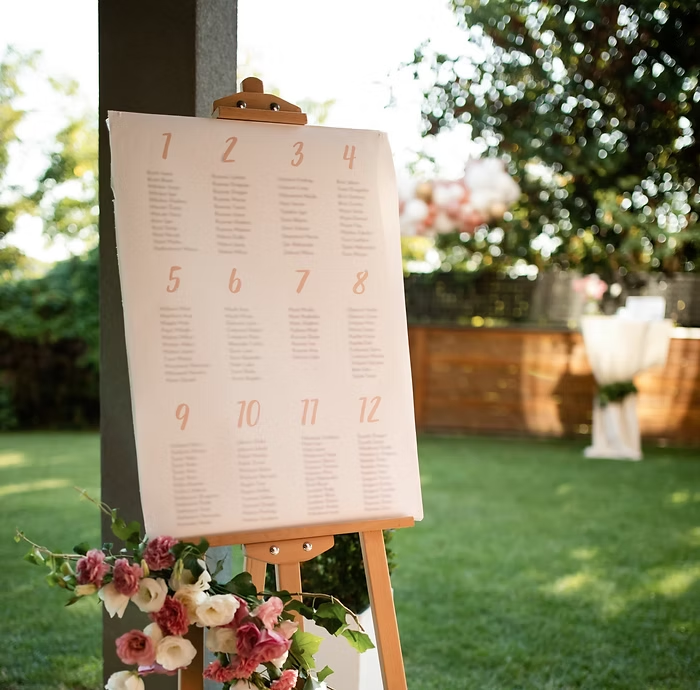
Use the natural setting as part of the design. Floral arrangements and décor should complement it, while being sturdy enough to withstand wind or weighted to prevent toppling. Thoughtful event styling can help the setting and the practical details work together.
6. Give guests the information they need
Let guests know what to expect, including suitable attire, footwear and uneven terrain. A note in the invitation or on a wedding website can help.
7. Plan for insects
Mosquitoes and flies can be an issue depending on the time of year. Consider insect repellents, citronella candles or other deterrents, and ask whether the venue has mosquito-control measures.
8. Consider outdoor catering
Discuss outdoor-friendly menu options with your caterer. Covered food stations or chafing dishes can help maintain the right temperature and protect food.
9. Confirm rental essentials
Depending on the venue, you may need tents, tables, chairs or portable restrooms. Work with your planner, rental company and venue to make sure every essential is accounted for. Planning support can be useful when several suppliers and contingencies need to be coordinated.
10. Keep a backup plan
Weather can be unpredictable even with careful planning. A tent or indoor space on standby can protect the celebration if conditions change.
Outdoor weddings can be enchanting when planners, vendors and venues prepare together for the details that matter.